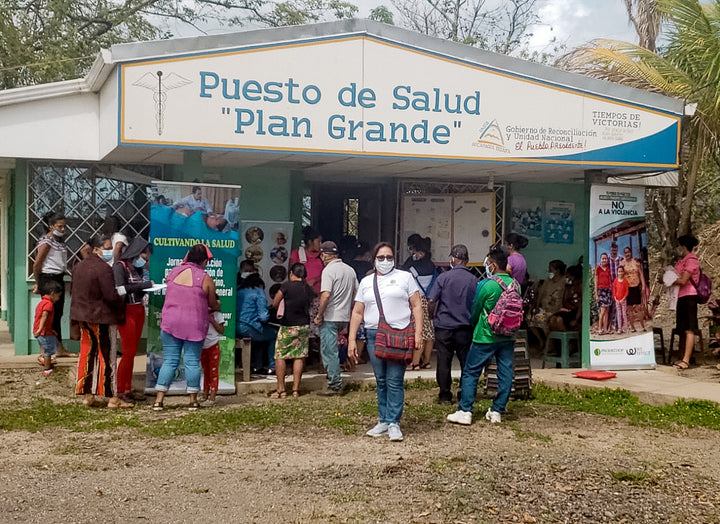
FARMER-OWNED SINCE 2006
Pachamama Coffee is a global cooperative entirely owned by thousands of smallholder farmers in Peru, Nicaragua, Guatemala, Mexico and Ethiopia. Based in Sacramento, California, Pachamama oversees a roastery, retail cafes and a national wholesale business. Pachamama Coffee is governed by its farmer-members. Our cooperative model enables coffee farmers to retain a greater share of the retail value of their roasted coffee, creating a circular economy that benefits customers, farmers and the coffee itself.
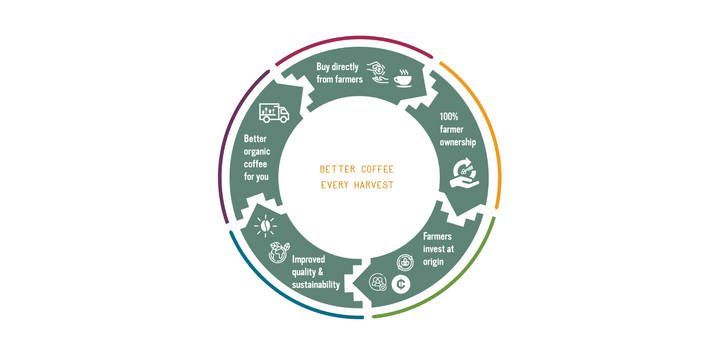
BETTER COFFEE, EVERY HARVEST
CONSUMERS & FARMERS WORKING TOGETHER
When you choose to deal directly with farmers, you empower their communities by making them the owners of the finished product and a valuable brand. This simple switch can turn a negative into a positive for farmers, fueling a virtuous cycle that provides profits and sustainability on the farm, in turn leading to better coffee every harvest.
100% Farmer-Owned
Our Shareholders Are Farmers
By retaining ownership of their best coffee and selling it directly to consumers in North America, Pachamama farmers capture 5x more revenue, earn more profit and have much greater incentive to invest in their small farms. Profitable farmers can adapt to climate change, regenerate their land, and deliver better coffee in the future.
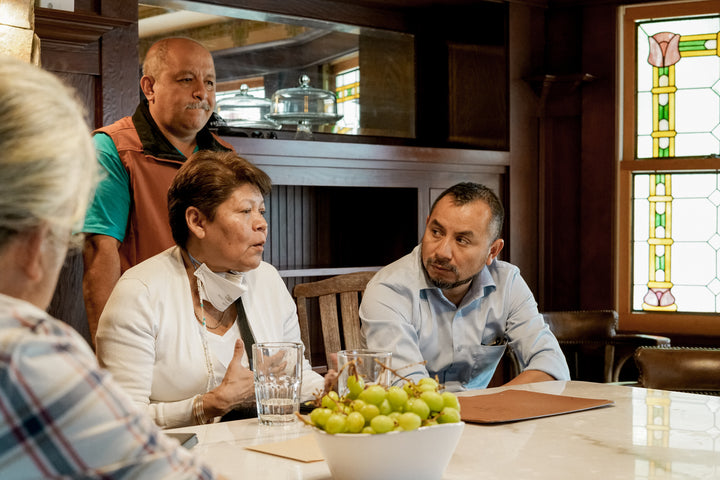

OWNERSHIP & GOVERNANCE
COOPERATIVES BUILD A BETTER WORLD
A cooperative is a business owned and controlled by its members. Rather than rewarding outside, passive investors, a co-op business is owned by the people that actively participate. When you purchase products from a cooperative, more of your dollars do back to the member-owners who gain financial independence and price stability.
meet the owners
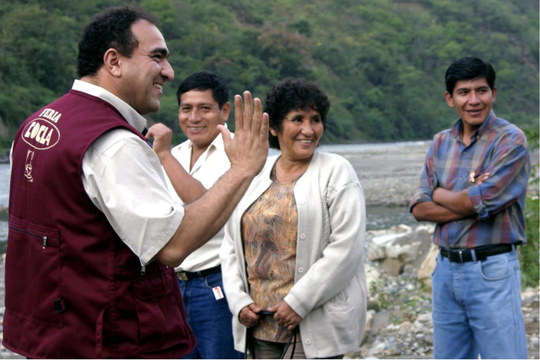
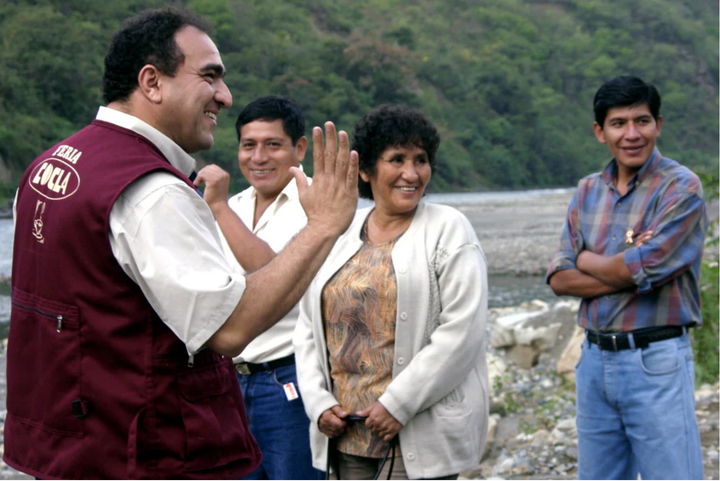
Perú
Founded in 1967. Based in Quillabamba, Perú, COCLA is owned by 3,500 family farmers. Raúl del Águila, was the founding president of Pachamama in 2005.
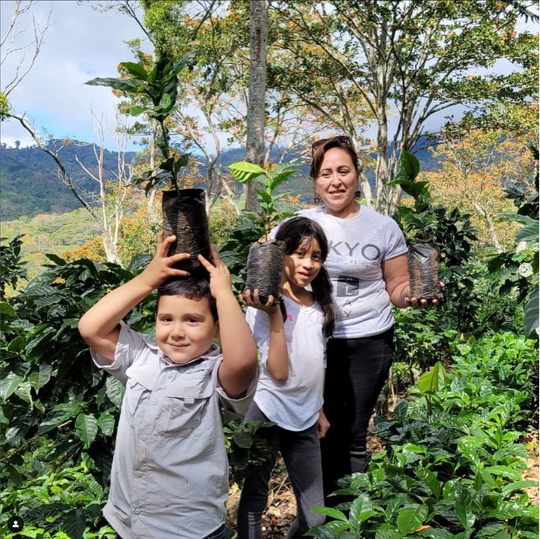
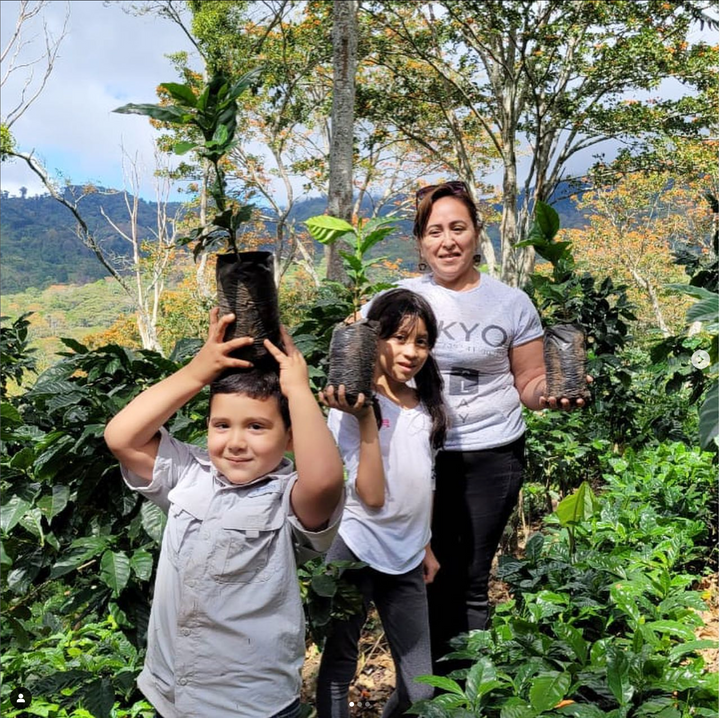
Nicaragua
Founded in 1993. Representing 2,300 families in Nicaragua, PRODECOOP is based in Esteli and led by Merling Preza. Members of Pachamama since 2005.

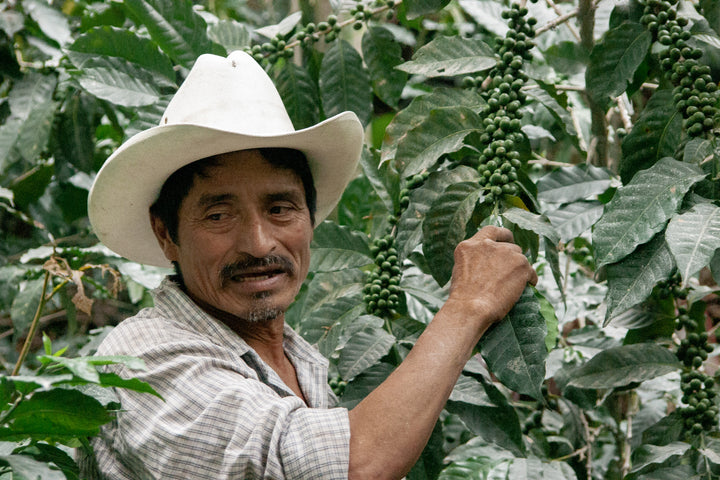
Guatemala
Founded in 1997. Manos Campesinas is an association of 15 communities and 1,073 families in the highlands of Guatemala. Members since 2005.
México
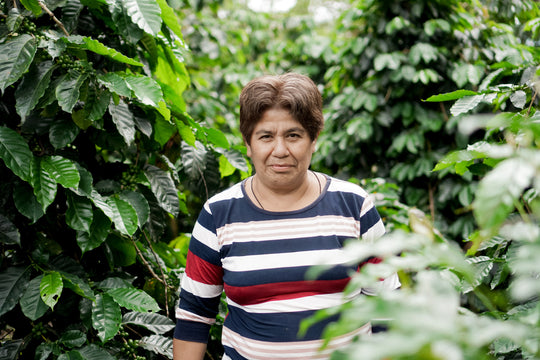
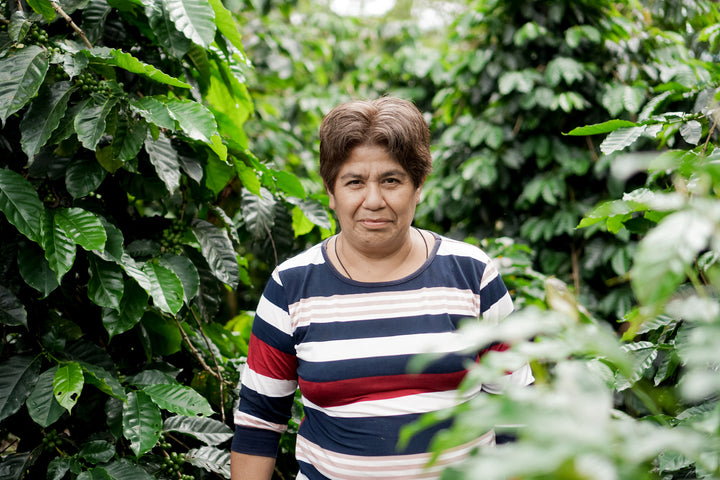
Founded in 1982. Nestled high in the mountains of Veracruz, México, La Unión Regional is a cooperative of 2,000 families. Members of Pachamama since 2006.
Ethiopia
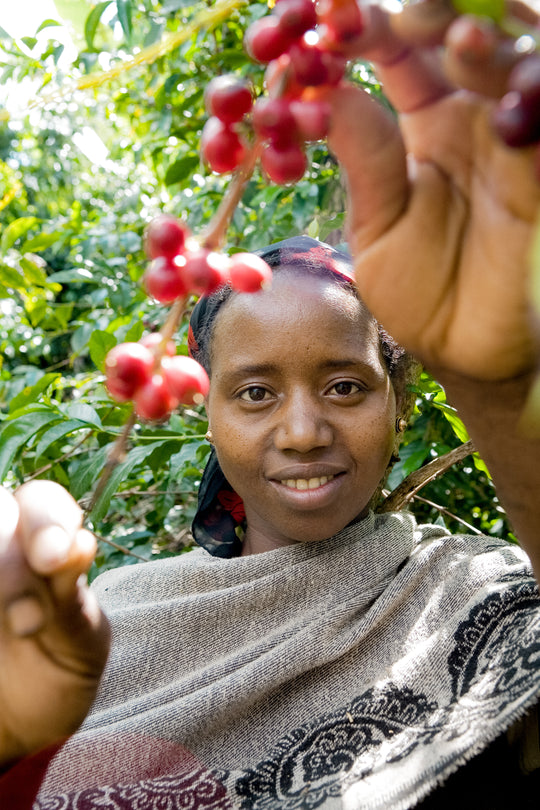
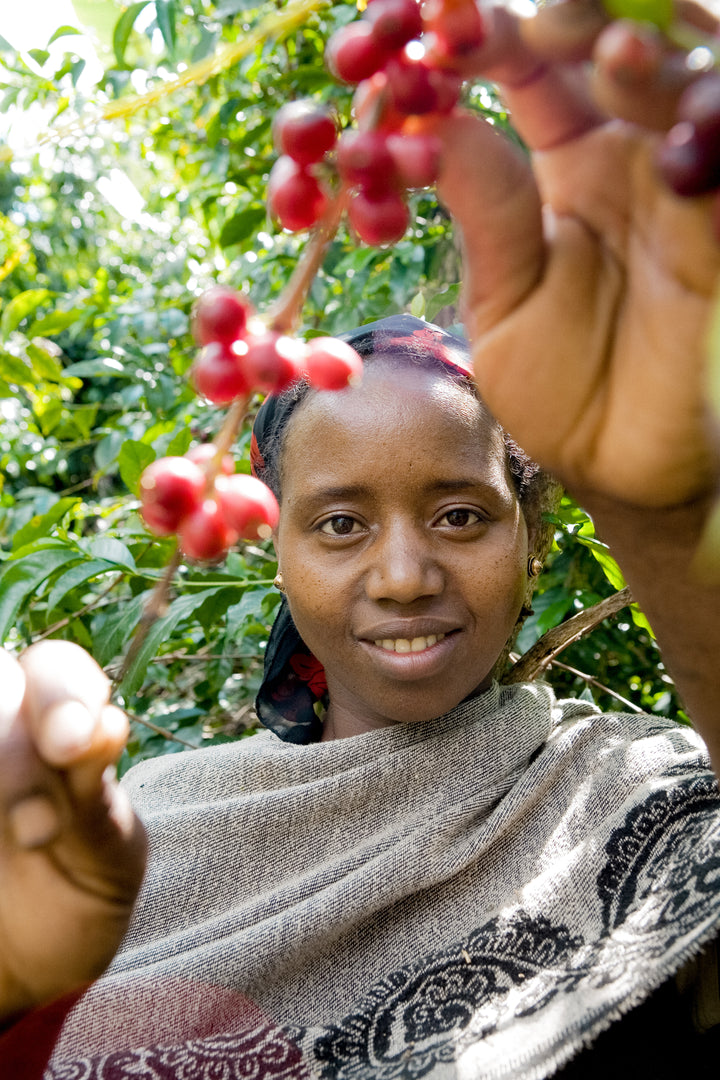
Founded in 1999. Oromia Coffee Farmers Cooperative Union represents thousands of smallholders across Ethiopia. Member-owners since 2006.
pachamama's board of directors
Each of the five cooperatives of Pachamama elects one representative to serve on the board of directors and to lead the company's decision-making process. There are only farmer representatives in the boardroom.
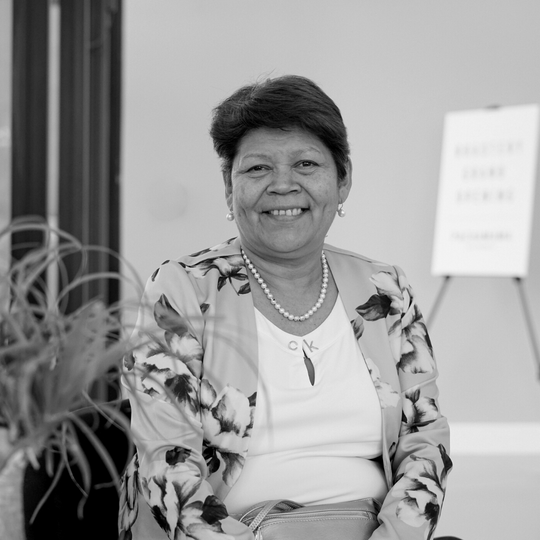
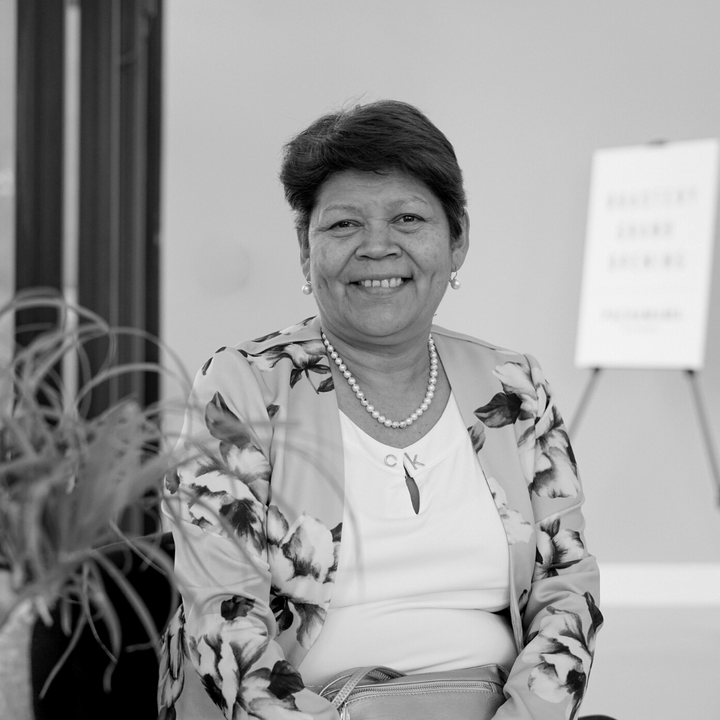
Merling Preza - president
A co-founder of Pachamama, Merling serves as President of the Board of Directors. Ms. Preza is the manager of PRODECOOP in Nicaragua, a co-op representing 2,300 families. A visionary leader on the global stage, Ms. Preza is a dedicated advocate for smallholder farmers and women's empowerment.
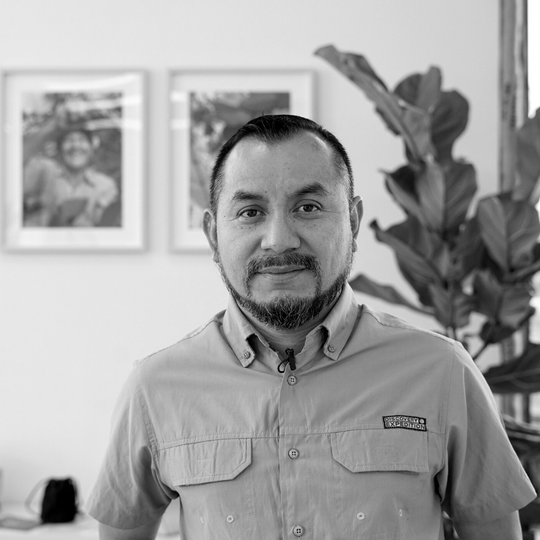
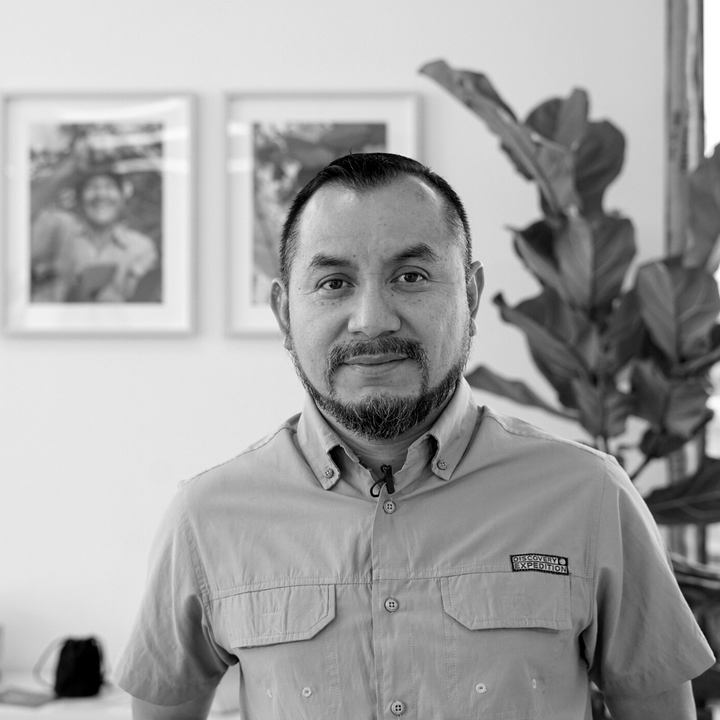
Carlos Reynoso - VICE PRESIDENT
A co-founder of Pachamama Coffee, Carlos Reynoso serves as the cooperative's Vice President. Mr. Reynoso is the general manager of Manos Campesinas in Guatemala, representing more than 1,073 smallholder coffee farmers. Mr. Reynoso has been with Pachamama since 2003.
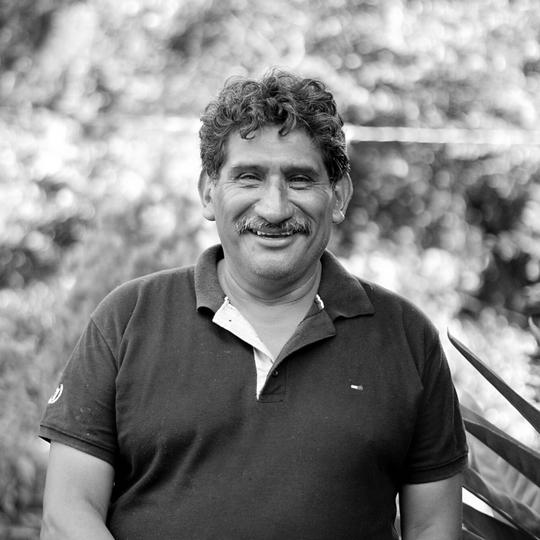
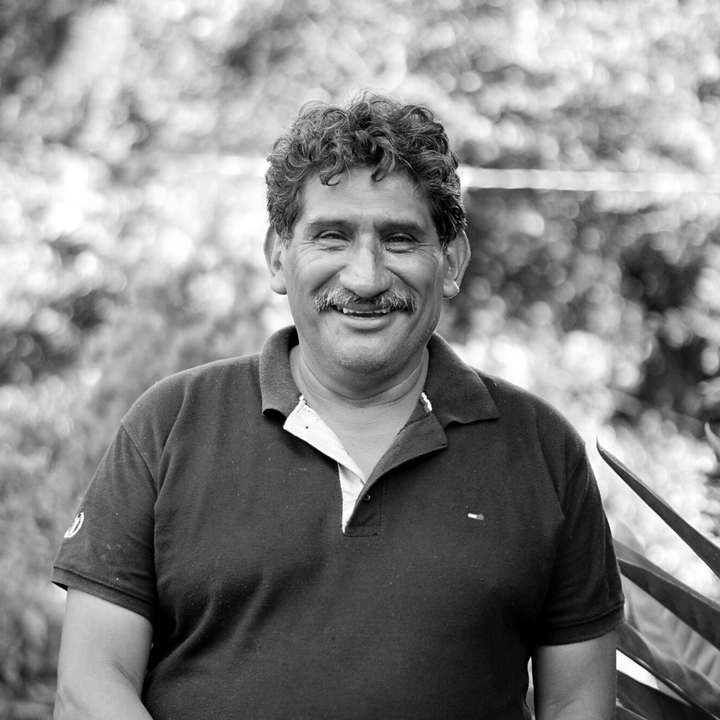
RUBEN ZUÑIGA PERALTA - DIRECTOR
A third generation coffee farmer, Mr. Zuñiga Peralta is a Director of La Union in Huatusco, Mexico, and serves as a Director of Pachamama Coffee. La Union Regional was founded in 1982 and is democratically owned and governed by more than 2,000 family farmers.


Vladmir Vivanco - DIRECTOR
Vladimir Vivanco represents COCLA in Peru. Mr. Vivanco is the cooperative's general manager, answering to 3,500 families in the Cusco department. Founded in 1967, COCLA has a long history of co-op development, smallholder empowerment and trade innovations.


Dejene Dadi - DIRECTOR
Mr Dadi represents thousands of smallholder coffee farmers in Ethiopia as general manager of Oromia Coffee Farmers' Cooperative Union (OCFCU). Founded in 1999, OCFCU has grown from 34 cooperatives to a nationwide union representing over 562,000 farmers.
Carlos Reynoso
VICE PRESIDENT
“Our dream is to put a face to the roasted coffee, more than just being a commodity producer.The difference is that we own Pachamama - the entire process from seed to cup. We bring more benefits to the producers and have proven that’s possible.”
Why Co-ops?
Social Impact
Governed by the people they serve, cooperatives keep money in the community and prioritze funding for the economic, social and cultural needs of the people. Hear from farmer owner Alexa Marin about some of the gender equity programs that Prodecoop in Nicaragua implements for its members.