


REGENERATIVE ORGANIC CERTIFIED®

FARM LIKE THE WORLD DEPENDS ON IT.
At Pachamama Coffee, regenerative organic coffee begins with a relationship shaped by respect for land, people, and time. Our understanding of regenerative coffee farming is based on the principle of reciprocity with nature, of sharing and giving back. This philosophy is deeply rooted in the practices of our thousands of smallholder farmer-owners who grow coffee in five unique regions near the Equator.
Indigenous Farming, Practiced for Generations
For smallholder coffee farmers, regenerative organic farming is not new. Indigenous communities across Latin America, Africa, and beyond have farmed this way for generations. Long before modern agriculture or certifications existed, farmers were building healthy soil, growing diverse crops together, protecting shade trees and farming without the use of harmful chemicals.

Regenerative Organic Certified ®
As of 2025, two of our coffees, Perú and Machu Picchu, are Regenerative Organic Certified®, a certification overseen by the nonprofit Regenerative Organic Alliance.
This certification recognizes farming that restores soil, strengthens ecosystems, and supports the livelihoods of the people who grow our coffee. Regenerative Organic certification brings shared standards and visibility to this ancestral knowledge.
Pachamama is Mother Earth
Pacha Mama means “Mother Earth” in the Quechua language of Perú. She is revered as a goddess of harvest by the indigenous people throughout the Andes in South America. Farming on the steep hills of these mountains is guided by the understanding that the land gives generously when it is cared for in return. This principle is at the heart of Pachamama Coffee and shapes decisions we make.


Biodiverse Farms, Built on an Organic Foundation
All Pachamama coffee is also certified organic coffee, and regenerative organic practices build on that foundation. The smallholder farms where our coffee is grown are small, maybe a few acres in size, and are thriving ecosystems brimming with life. Many foods are grown on these lands - bananas, nuts, spices, and cacao - and there is an abundance of birds, bees, insects and worms that nourish the soil.


What is Regenerative Organic Farming?
Our Regenerative Organic Coffee reflects a whole-farm system shaped by Indigenous knowledge and strengthened through certification:
- Indigenous Knowledge – Most farmers are native and indigenous to their regions, using ancestral knowledge to grow coffee and preserve their cultural heritage.
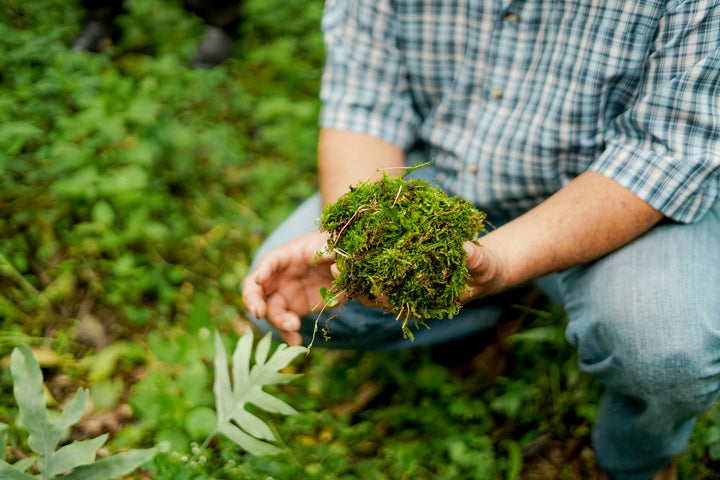
- Building Soil Health – In organic coffee farming the pulp from coffee cherries is composted to enrich the soil with nutrients, improve structure and sequester carbon.
- Intercropping – Coffee shrubs are cultivated alongside a wide range of other trees, plants and food crops, creating a vibrant and diverse ecosystem.
- Biodiversity – Indigenous practices embrace diverse habitats that are home to an abundance of birds, bees, insects, worms and other wildlife.
- Shade Grown Coffee – Highest quality, flavorful Arabica beans grow best under a layer of shade canopy where they are protected from harsh sunlight.
- Climate Resilience – Regenerative practices mitigate negative impacts of extreme weather events as fertile soil preserves water and healthy trees are more resistant.
- Socioeconomic Impact – Member-owners set their own price for coffee. Well-paid farmers thrive, protect their lands, and reinvest in their farms and their communities.
Pachamama is owned by farmers from seed to cup. All profits go straight back to the farmer. When farmers thrive, they protect their land, strengthen their communities, and pass this way of farming on to the next generation. This investment also makes for a better harvest year after year.